Canterbury's most celebrated literary son transformed English drama before his death at 29.
Early Years in Canterbury
Christopher Marlowe was born in Canterbury in 1564; he was baptised at St George's Church on 26 February 1564. His father, John Marlowe, worked as a shoemaker, whilst his mother, Katherine, was the daughter of William Arthur of Dover. The family lived in the city as part of its thriving trades community.
Education at The King's School
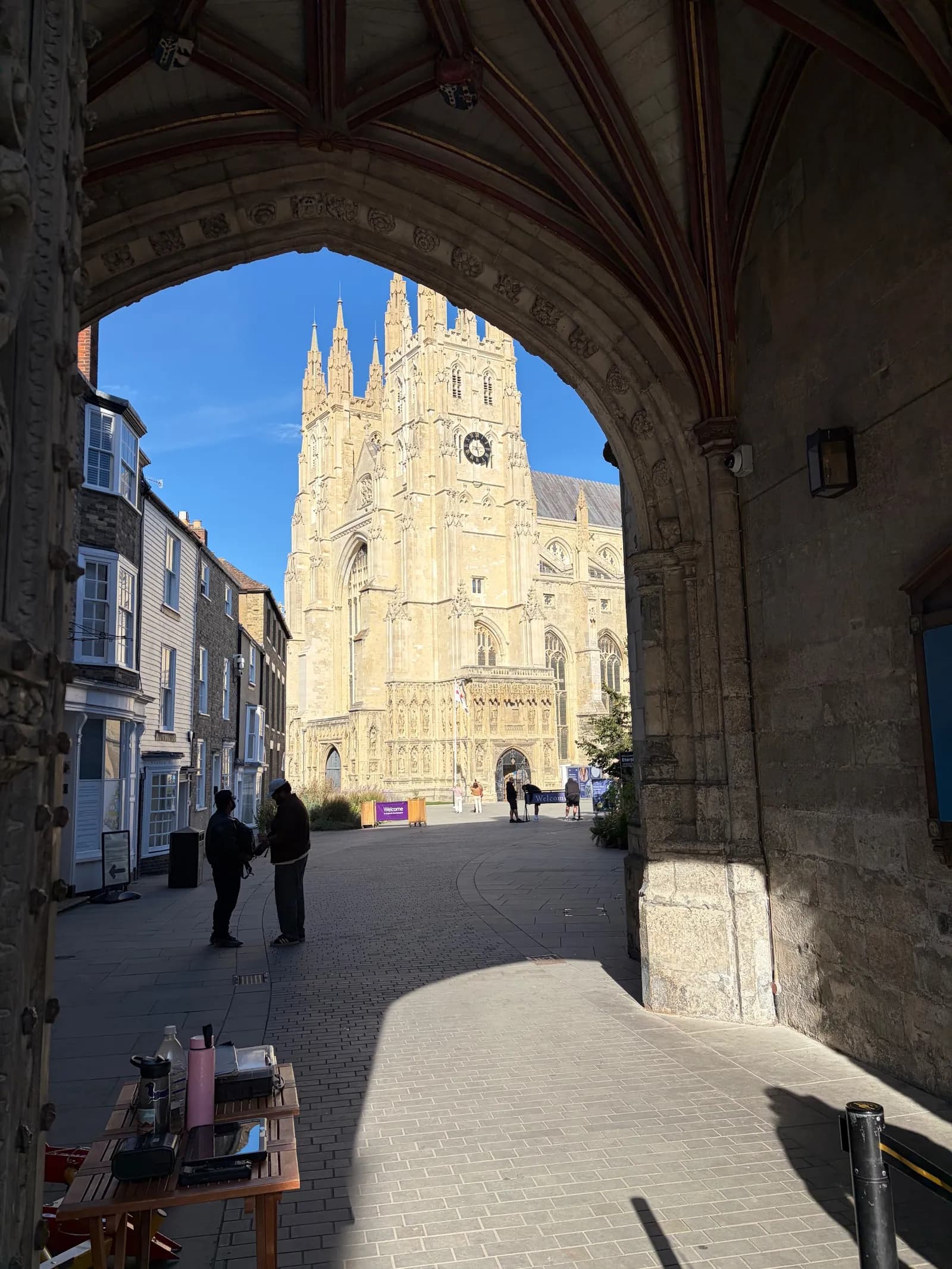
By the age of 14, Marlowe had won a scholarship to The King's School, Canterbury. He attended from approximately 1579 to 1581, studying within the cathedral precincts where the school had been established. The King's School, founded in 597 AD and re-founded by Royal Charter in 1541 by Henry VIII, is Britain's oldest public school.
The education Marlowe received there proved formative. In 1581, he proceeded to Corpus Christi College, Cambridge, where he earned his Bachelor of Arts in 1584 and his Master of Arts in 1587. The school honours its former pupil today through Marlowe House, a day house founded in 1936 and named in his memory.
Revolutionising English Theatre
Marlowe emerged as the foremost dramatist in London before his death in 1593. He pioneered the use of blank verse on the English stage; his "mighty line" became the standard for Elizabethan drama and profoundly influenced the work of William Shakespeare.
The two playwrights were near contemporaries; Marlowe was baptised just two months before Shakespeare in April 1564. Francis Meres, writing in 1598, placed Marlowe's works alongside Shakespeare's in his survey of English literature. Marlowe's plays, including Tamburlaine the Great, Doctor Faustus, The Jew of Malta, and Edward II, demonstrated the dramatic potential of blank verse that Shakespeare would later perfect.
The Mysterious Death at Deptford
Marlowe died on 30 May 1593 in Deptford, Kent, at the age of 29. The circumstances surrounding his death remain contested; official records discovered in 1925 describe an altercation over a "reckoning" (bill) at a house owned by Eleanor Bull. The coroner's account states that Ingram Frizer fatally wounded Marlowe during a quarrel involving Frizer, Nicholas Skeres, and Robert Poley.
Speculation about the true cause of his death has persisted for centuries. Questions regarding Marlowe's possible involvement in espionage, charges of atheism, and his connection to the "Dutch church libel" (signed "Tamburlaine") have fuelled theories that his death may not have been a simple brawl. He was buried in an unmarked grave in the churchyard of St Nicholas, Deptford.
Canterbury's Enduring Tribute
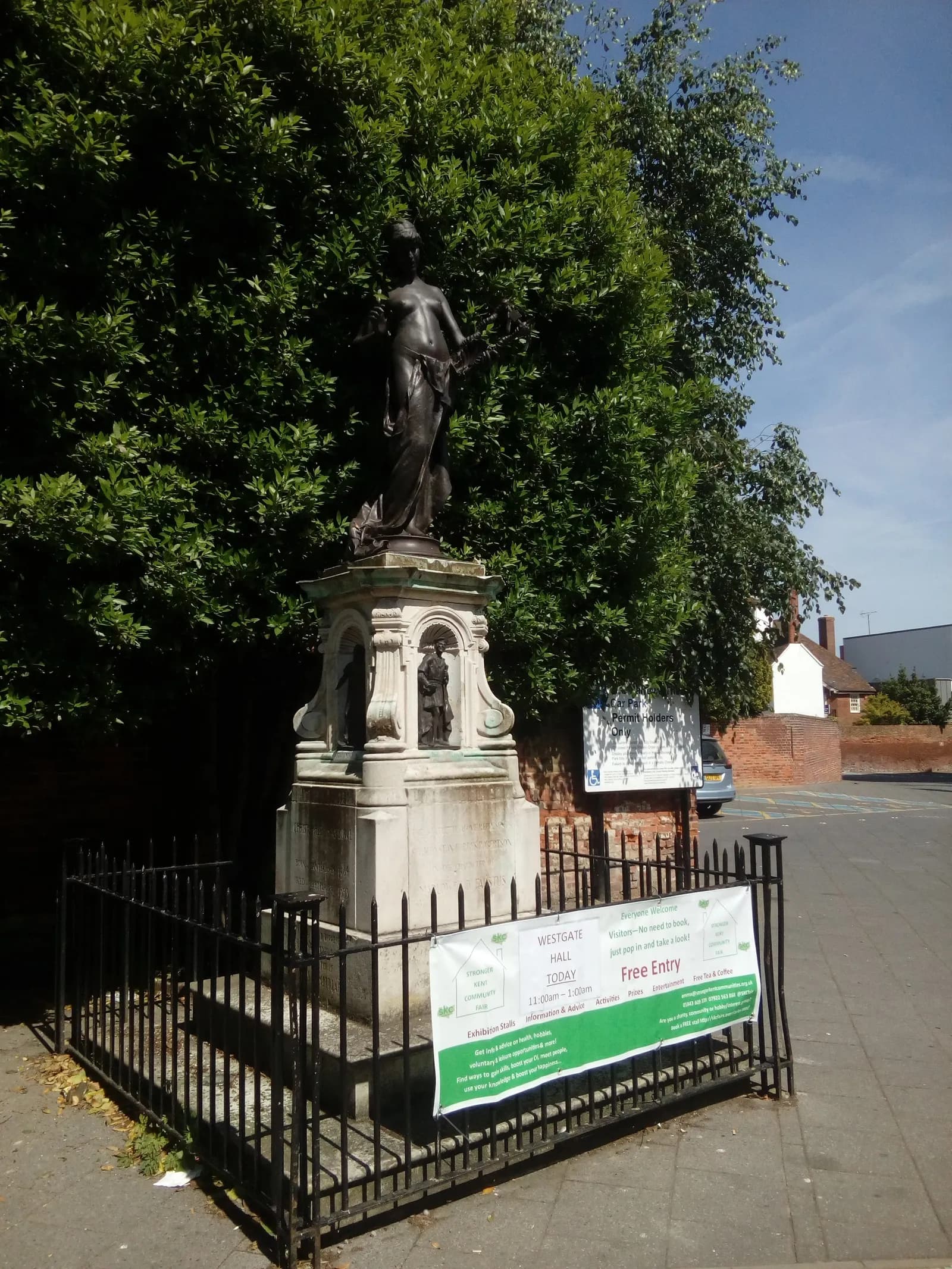
The city has commemorated its famous son in several significant ways. The Marlowe Memorial, also known as "The Muse of Poetry," stands outside the Marlowe Theatre on The Friars. Sculpted by Edward Onslow Ford, the bronze statue was unveiled on 16 September 1891 by the actor Henry Irving. The allegorical figure represents the muse of poetry; no contemporary image of Marlowe existed, so the sculptor created an idealised representation.
The statue's history mirrors the city's changing landscape. It originally stood in the Buttermarket before moving to King Street, then to Dane John Gardens in 1921. During the Second World War, the statue was damaged by bombing in 1940, with the muse thrown to the ground. It was relocated to its current position outside the Marlowe Theatre in 1993 and rededicated by Sir Ian McKellen.
The Marlowe Theatre itself, located on The Friars, bears the playwright's name. The current building opened on 4 October 2011 after a £25.6 million redevelopment, replacing earlier theatres that had occupied the site since 1949. The 1,200-seat venue, designed by architect Keith Williams, received the UK Theatre of the Year award in 2022.