For generations, Canterbury's city centre has been a cornerstone of local life, its markets and high streets shaping how residents work, trade and gather.
Strolling today among the stalls and shops, it is easy to sense layers of history beneath your feet. This legacy continues to define the area's present character and future possibilities.
Medieval Market Heart
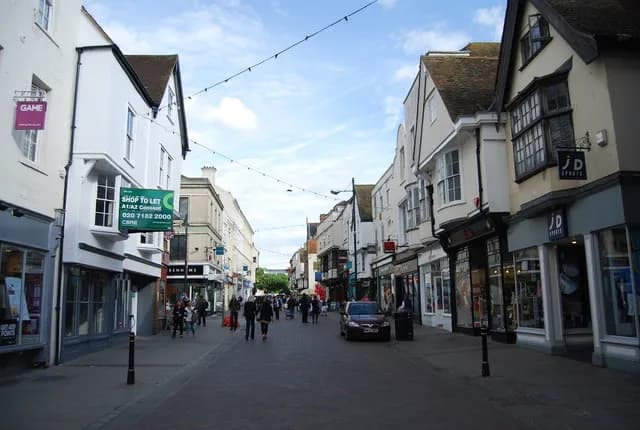
In medieval times, Canterbury's shopping heart was the pulse of commerce in East Kent. The High Street and its adjoining lanes were alive with traders specialising in everything from fish to cloth, as well as wheat, oats, salt and rushes. Place names such as Buttermarket, Mercery Lane and Butchery Lane are living reminders of this busy market network (British History Online). Buttermarket itself, just beside the Cathedral Gate, has roots as far back as the "Bull Stake". This was once a site for livestock trading before it became a covered market hall and, later, the distinctive civic space it is today (Canterbury Historical and Archaeological Society).
Streets Shaped by Trade
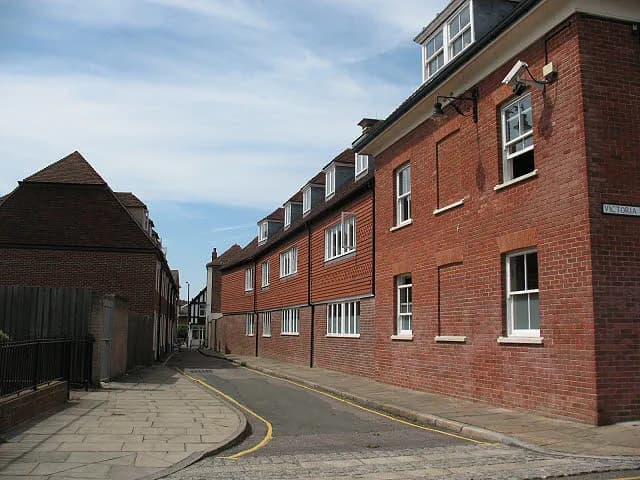
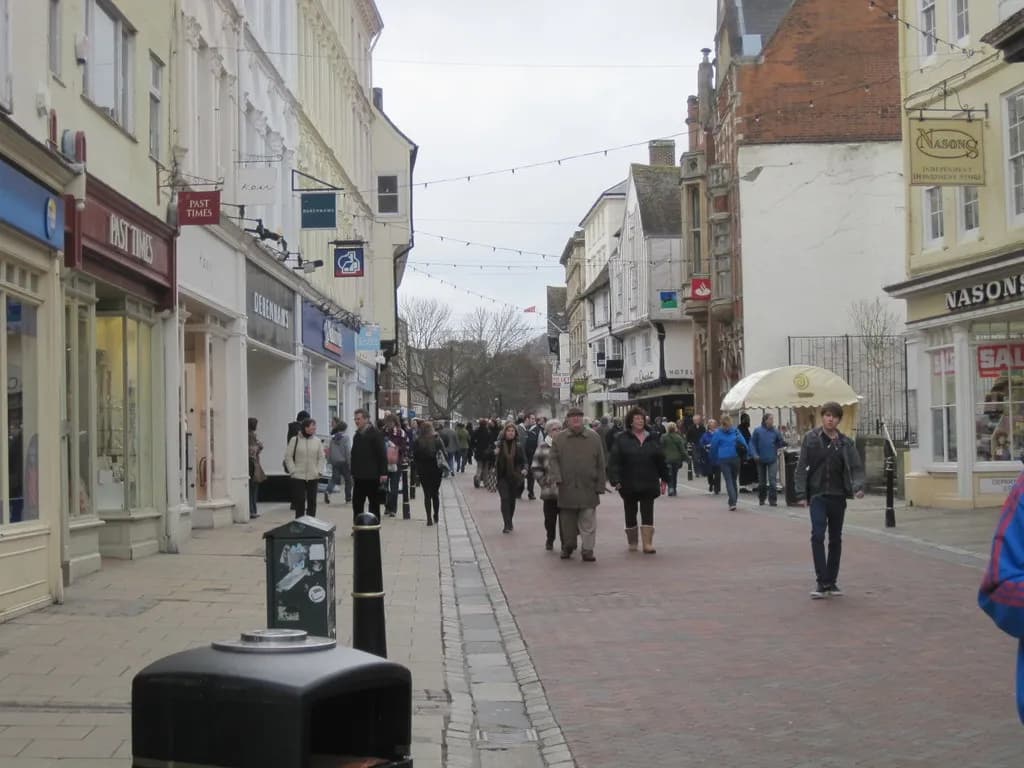
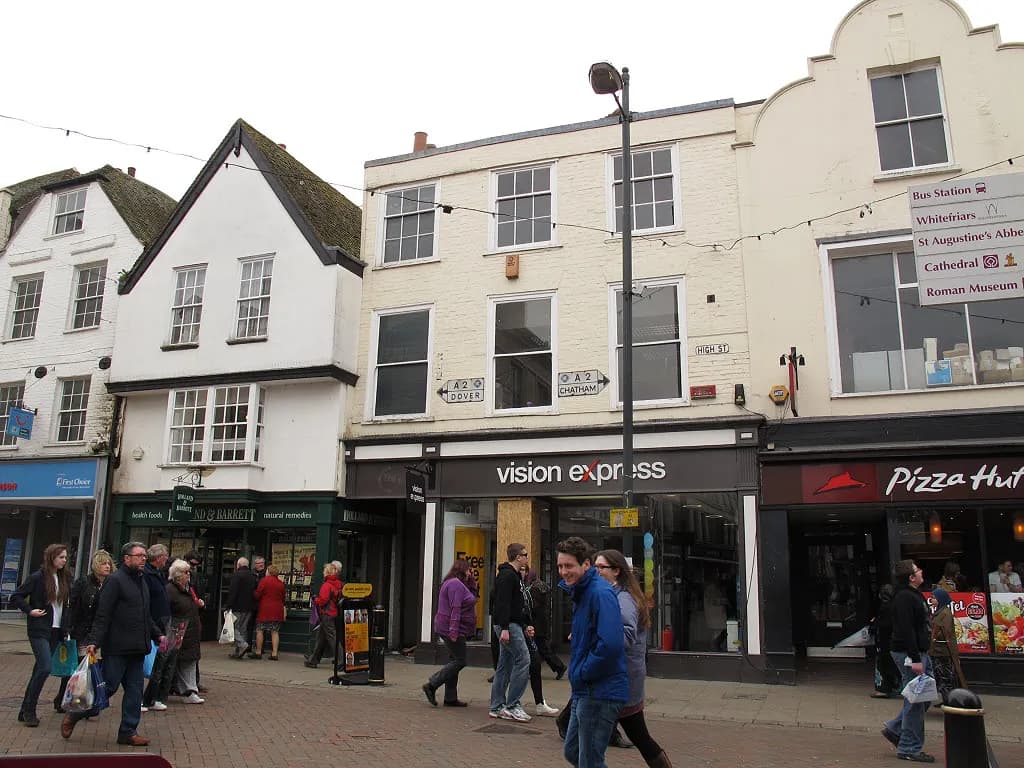
Canterbury's layout has always reflected this retail heritage. The modern city centre, anchored around St George's Street, High Street and Whitefriars, is still flanked by a secondary string of traditional streets including St Peter's Street, St Margaret's Street and Palace Street, where many independents thrive. This structure, though altered over time, holds echoes of the original market-place geography, with routes shaped by centuries of footfall and trading activity (Kent Maps Online).
A City Remade and Remaking Itself
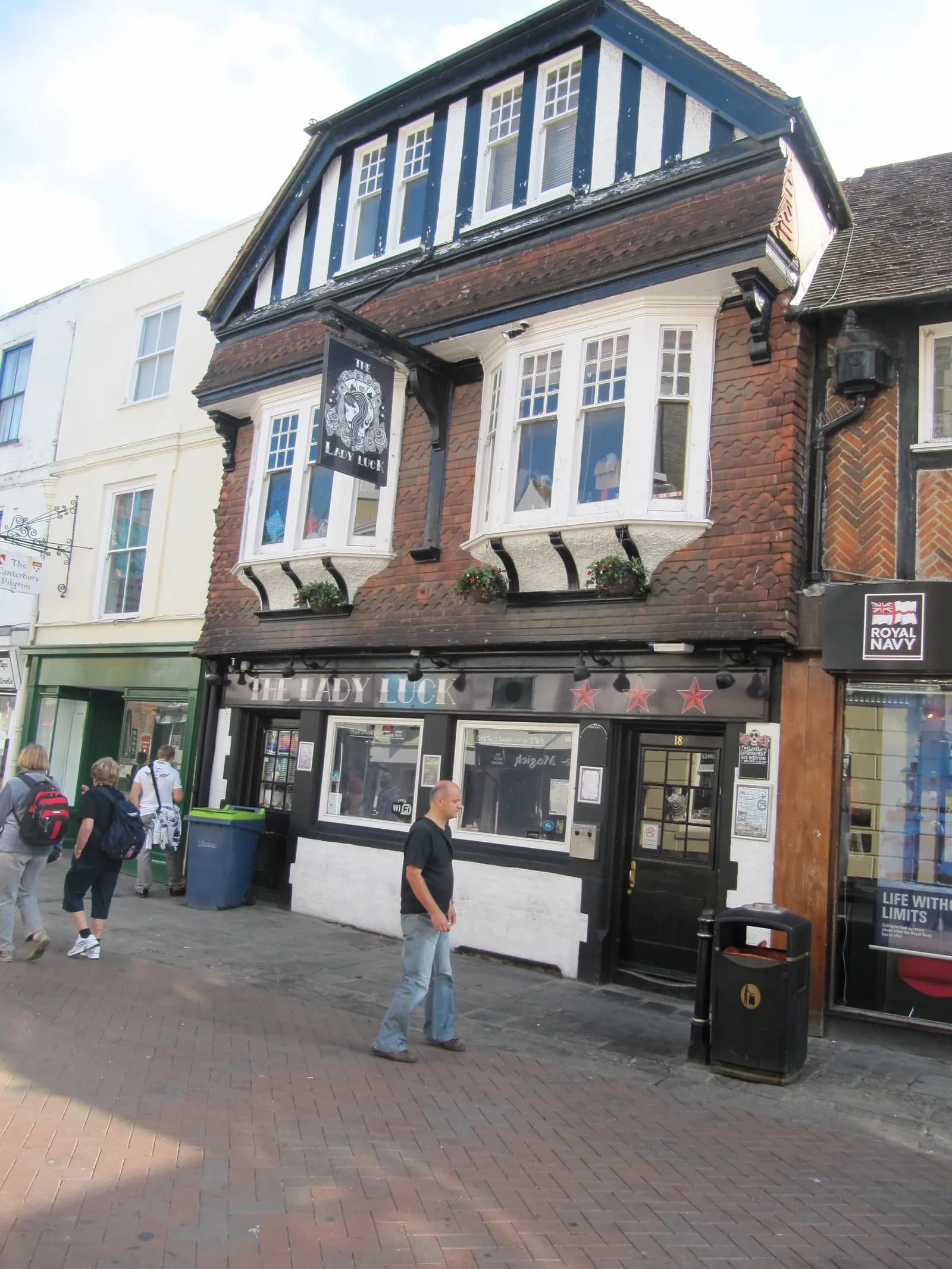
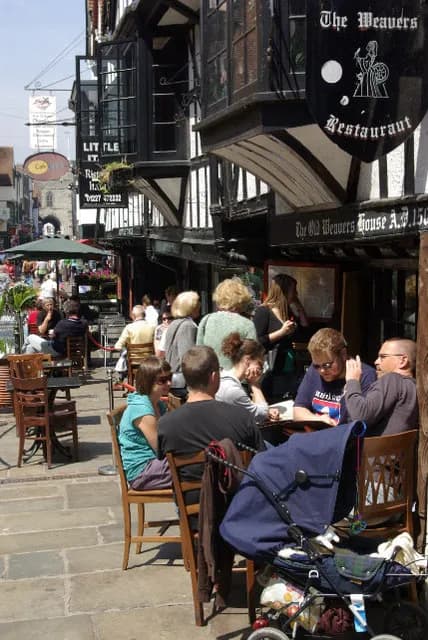
The streetscape witnessed profound change in the twentieth century. The bombing of 1942 devastated large swathes of Canterbury's retail core. Yet, from the ashes, the city rebuilt. Modern shopfronts began to line the High Street and, eventually, the major Whitefriars development took shape, helping to secure Canterbury's status as East Kent's main shopping destination. The city became a blend of the old and new, balancing heritage tourism, independent retailers and national chains. It is a place where a morning coffee shop visit can be followed by explorations of centuries-old craft outlets or family businesses set in Tudor-fronted properties.
Much of the retail activity now sits within a rebuilt commercial centre, though stories of adaptation and resilience remain part of the shared local memory. The spirit that transformed Buttermarket from livestock pens into public space, or saw the High Street reborn after war damage, lives on in today's businesses and markets. Each faces the challenges and opportunities of changing times.
For Canterbury families, local traders and visitors alike, this retail heart beats with the city's long tradition of welcome and enterprise. The ongoing journey from medieval market town to thriving shopping city tells a story not just of buildings and brands, but of people shaping, and being shaped by, the place they call home.